5 Things That Surprise People on Their First Elgin Trip
First Elgin trip surprises are common because many visitors arrive with expectations that don’t match reality. Most people arrive in Elgin thinking they already understand what a valley escape should feel like. Then they turn off the main road, and the rhythm of everything begins to change in ways they didn’t expect. A short drive can shift your entire pace of thinking. Elgin does that quietly, but consistently. And it is often these subtle changes that stay with visitors the longest. Here are five things that tend to catch people off guard on their first trip.
1. The distance feels psychological, not physical
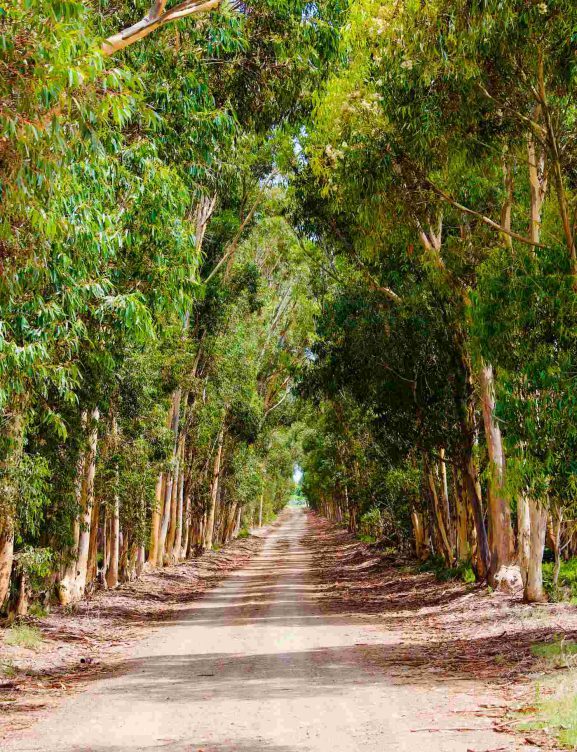
On paper, Elgin sits just under an hour from Cape Town. It feels further the moment the road begins to narrow and curve. The shift isn’t dramatic at first. You still recognise the landscape. But then traffic noise fades, and the air through the window feels noticeably cooler and cleaner. By the time you arrive, your mind has already left the city behind, even if your phone still shows a short travel time. That disconnect surprises people more than the journey itself. This is often the first of the first Elgin trip surprises visitors mention afterwards.
2. Silence has texture here
Visitors often expect silence to feel flat or empty, especially if they come from busy environments. Elgin changes that expectation quickly. You hear wind brushing through open fields, distant bird calls echoing between spaces, and the soft crunch of gravel underfoot when you step out of a car. Even small sounds feel clearer, almost sharper. Instead of feeling like nothing is happening, the valley feels like everything is happening at a lower volume. That difference catches people off guard in the best way.
3. The cold arrives earlier than expected
Elgin’s weather often surprises first-time visitors, especially those expecting Cape Town warmth to carry through. It doesn’t. A coolness settles in early morning and returns again as the sun lowers, even in warmer seasons. You might sit outside with a warm drink and realise you instinctively pull your jacket tighter without thinking. There’s a moment many visitors mention later — standing still outside, feeling the air shift slightly as clouds move across the valley. It makes the landscape feel alive in a very physical way.
4. Children adapt before adults do
Parents often arrive prepared for constant entertainment. They expect questions, restlessness, and the usual need for screens or structured activity. But something shifts once children get space. They move differently here. They notice stones, sticks, water, and open areas in a way that feels instinctive rather than directed. One parent might sit down for a moment and realise their child hasn’t asked for anything in an hour. Adults are still adjusting to the slower rhythm, checking phones less often without planning to. That contrast surprises almost every family that visits.
5. Leaving feels like interrupting something
Most visitors plan their first Elgin trip as a short break. They expect to leave refreshed, then return to their normal routine without difficulty, but departure day often feels slightly off. Morning light looks softer, conversations stretch longer, and even packing takes more time than expected. There’s usually a quiet hesitation before leaving — a final walk, a last cup of coffee, or a delayed goodbye at the gate. It isn’t about sadness. It’s about rhythm. Elgin starts to feel like a pace your body has already adjusted to. And that is what lingers.
Final thought
Elgin doesn’t compete for attention, and it doesn’t need to. It changes how you notice things — the air, the sound, even your own pace — without announcing it. Most people don’t leave saying they did a lot here. They leave remembering how it felt to finally slow down without forcing it. And that feeling, more than anything else, is what brings them back